Astoria is the neighborhood that keeps showing up on "best neighborhoods in NYC" lists and somehow still gets slept on. Here's why it deserves more attention than it gets — and the honest tradeoffs.
The case for Astoria

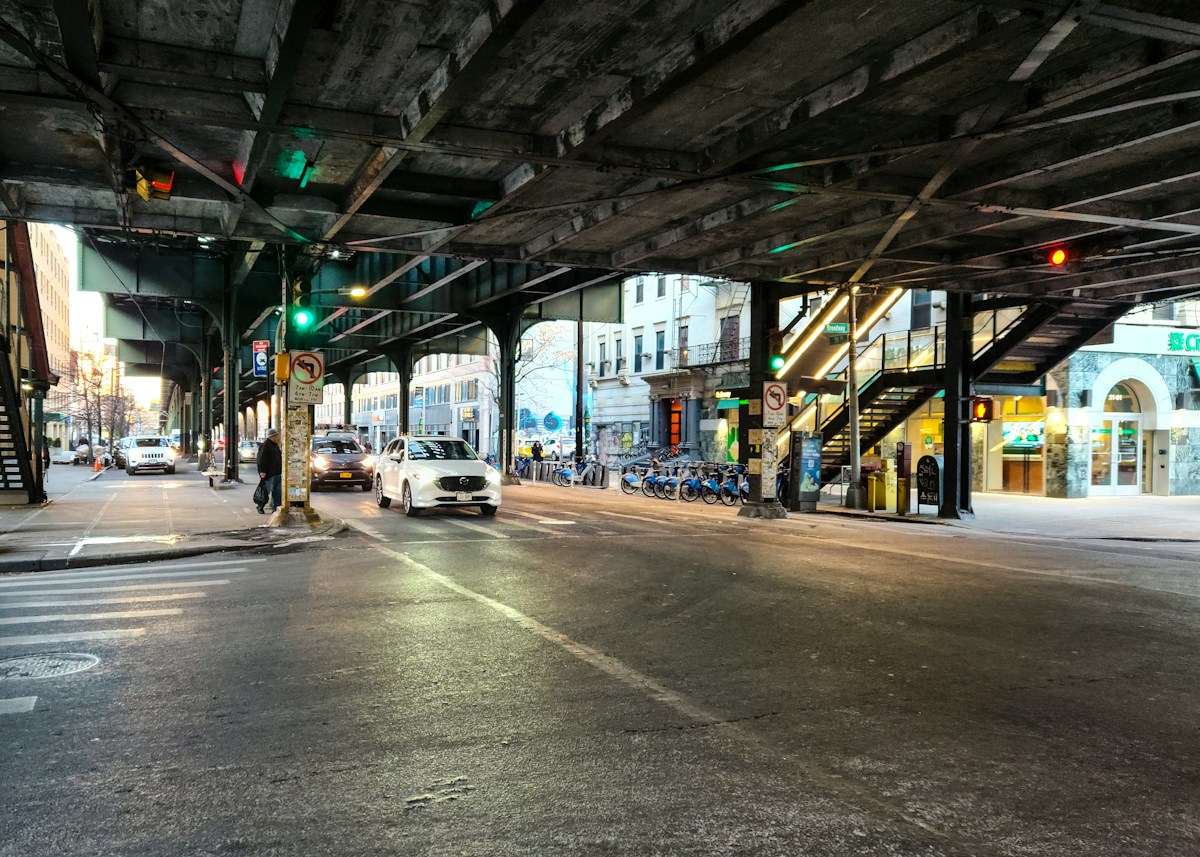
The N and W trains put you in Midtown Manhattan in 20 to 25 minutes from the heart of Astoria. That's a faster commute than most of Brooklyn and a fraction of the cost. Median prices for a two-bedroom condo run $600,000 to $750,000 — significantly below comparable Brooklyn neighborhoods with similar transit access.
The food scene is the real sleeper story. Astoria has one of the most genuinely diverse restaurant strips in all of New York — Greek, Egyptian, Bangladeshi, Brazilian, Colombian, and everything in between along Steinway Street and Ditmars Boulevard. This isn't diversity for its own sake. The food is actually excellent and the prices are significantly lower than Manhattan or trendy Brooklyn.
The neighborhood has resisted the full gentrification that has transformed Williamsburg and Long Island City. It's changed — prices have risen meaningfully over the past decade — but it retains genuine ethnic and economic diversity that many NYC neighborhoods have lost.
What the numbers say
- Median home price: approximately $620,000
- Walk score: 94 — genuinely walkable
- School rating: 6.8 out of 10
- Commute to Midtown: 20 to 25 minutes (N/W train)
- Flood risk: Low for most of the neighborhood
- Noise: Moderate — LaGuardia flight paths affect some blocks
The real talk
The LaGuardia flight path is the thing nobody mentions until you're already living there. Depending on which blocks you're on and which direction planes are landing, low-flying aircraft can be a constant presence. Use FlightAware to check the specific address you're considering before you commit.
Astoria has limited green space compared to Park Slope or parts of the Bronx. Astoria Park on the waterfront is beautiful but it's the main option. If daily outdoor space is a priority this matters.
The N/W train has been subject to service disruptions and crowding during peak hours. The commute is fast when it works — less so during the frequent MTA headaches.
Hidden costs
NYC co-op maintenance fees in Astoria typically run $800 to $1,400 per month for a two-bedroom — lower than Manhattan or Park Slope but real money on top of your mortgage. Property taxes for owner-occupied units are generally favorable under NYC's abatement programs. Check the specific tax class of any unit you're buying.
Who it's for
Astoria is a strong fit for: NYC commuters who want Manhattan access at outer-borough prices, food-focused buyers who value neighborhood character, people priced out of Brooklyn who don't want to sacrifice transit quality, buyers who plan to stay at least 5 years.
See the full WYLT report for Astoria.
Astoria's diverse dining scene is another significant draw, with over 100 restaurants serving cuisine from around the world. Greek and Middle Eastern eateries are particularly abundant, reflecting the neighborhood's rich cultural heritage. For prospective residents, it's essential to explore the different subsections of Astoria, such as Old Astoria and Ditmars-Steinway, each with its unique character and advantages. Old Astoria, for instance, offers a more suburban feel, while Ditmars-Steinway is known for its vibrant nightlife and proximity to the water.
When it comes to rental options, Astoria provides a range of choices, from pre-war walk-ups to newer high-rise buildings with modern amenities. According to data from StreetEasy, the median rent for a one-bedroom apartment in Astoria is around $2,000 per month, compared to $2,800 in Long Island City and $3,200 in Greenwich Village. For buyers, co-ops are a common and often more affordable option, with prices starting from around $400,000 for a one-bedroom unit. To get the most out of the Astoria market, working with a local real estate agent who knows the neighborhood's intricacies can be invaluable, helping buyers and renters navigate the process and find the best deals.