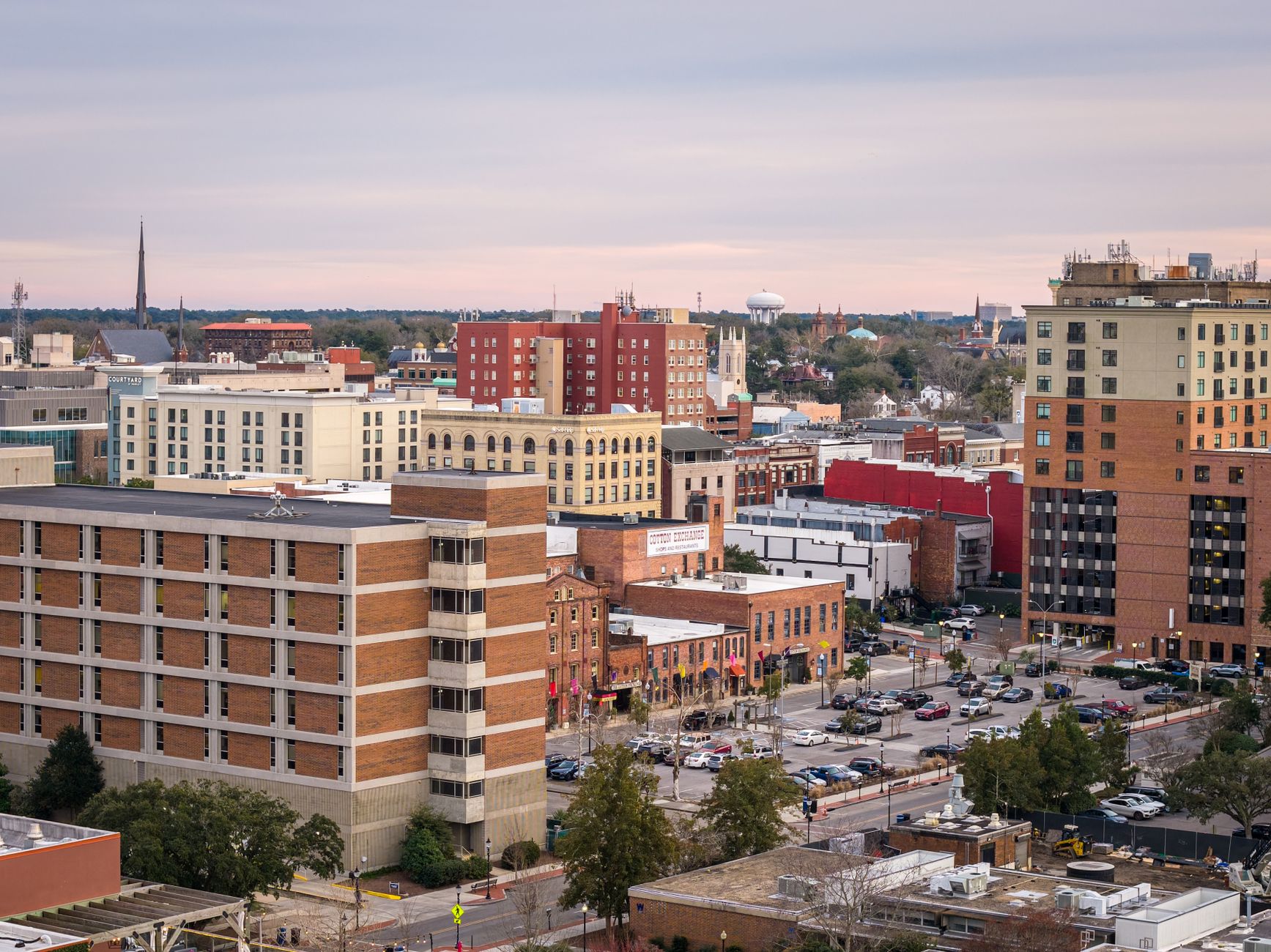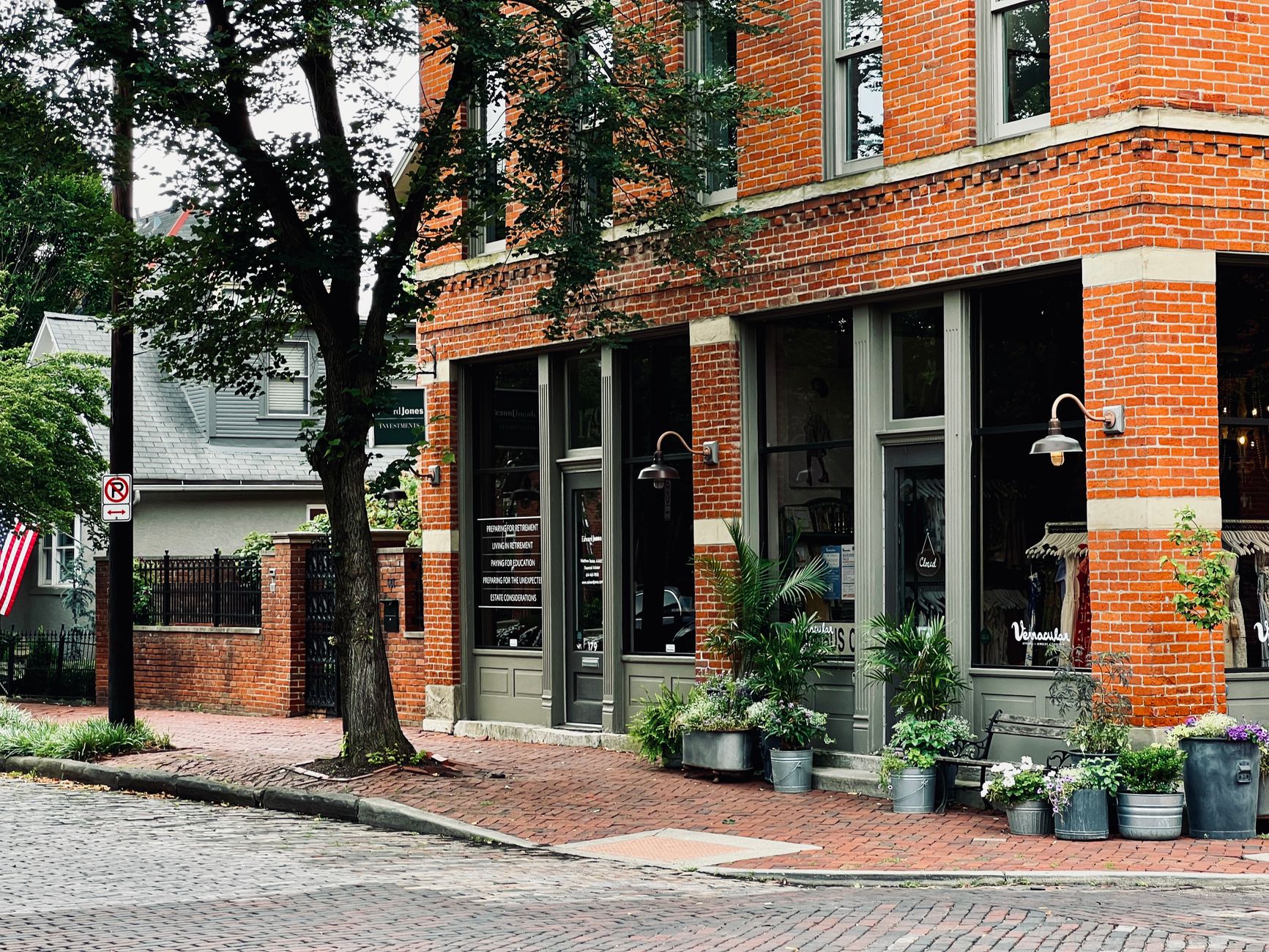
Families looking to move in 2026 often weigh the same set of hard facts: where will they pay more for a home, how easy is it to find a job, and how safe and school‑friendly the area feels? Alexandria and Roanoke sit on opposite ends of Virginia’s spectrum, each offering a distinctly different lifestyle for the same budget.
In the next sections we’ll pit the two cities head‑to‑head on every key metric that matters to a family: cost of living, employment, neighborhoods, safety, schools, and the day‑to‑day experience. The numbers below come from the latest Zillow, U.S. Census, and city reports, so you can trust the comparison is data‑driven and not fluff.

Cost of Living
Housing is the biggest line item. Alexandria’s median home price sits at roughly $835,000, while Roanoke’s is about $260,000—a $575,000 difference that translates directly into higher monthly mortgage payments. Rent follows the same trend: a one‑bedroom apartment in Alexandria averages $2,200, compared to $1,100 in Roanoke; three‑bedrooms average $3,500 versus $1,700.
The gap widens when you look at taxes and utilities. Alexandria’s median household income is $115,000, almost double Roanoke’s $52,000, yet the cost‑of‑living index is 145 versus Roanoke’s 115. Property taxes in Alexandria average 0.74% of home value, slightly lower than Roanoke’s 0.82%. Utilities in Alexandria run $180 per month, versus $140 in Roanoke.
| Metric | Alexandria | Roanoke |
|---|---|---|
| Median Home Price | $835,000 | $260,000 |
| Median Rent (3 bd) | $3,500 | $1,700 |
| Median Household Income | $115,000 | $52,000 |
| Cost of Living Index | 145 | 115 |
Job Market & Economy
Alexandria benefits from its proximity to Washington, D.C. Major employers include Booz Allen Hamilton, Capital One, Verizon, and numerous federal agencies. The city’s unemployment rate is 3.9%, and the tech and professional services sectors are thriving, making remote work almost a given. Salary levels are correspondingly higher, with a median tech salary near $90,000.
Roanoke’s economy is more localized. The largest employers are Roanoke Valley Medical Center, Appalachian Power, and the railroad industry. Unemployment sits at 4.2%. While there are opportunities for healthcare and manufacturing, the average salaries hover around $55,000, and remote work options are limited to a handful of tech startups and consulting firms.
Neighborhoods
Alexandria’s Old Town (ZIP 22301) offers historic charm with median home prices between $650,000 and $900,000 and a walk score of 73. Del Ray (ZIP 22302) is known for its tree‑lined streets and mid‑range prices of $700,000, while Ballston (ZIP 22304) provides a mix of condos and single‑family homes around $550,000. Each neighborhood offers a walkable feel, though traffic can surge near the I‑395 corridor.
Roanoke’s Jefferson City (ZIP 24010) is downtown’s cultural hub, with homes around $190,000 and a walk score of 60. Southside (ZIP 24021) features lower‑cost houses near $150,000 but less pedestrian friendliness (score 55). The newer Downtown (ZIP 24061) offers lofts and condos around $220,000 with a walk score of 70, but some parts of the area still feel under‑developed compared to Old Town.
Safety
Alexandria’s most crime‑concerning spots cluster near the waterfront, especially late at night. Roanoke sees higher property crime in the Southside area, while the downtown core maintains moderate safety due to police presence and community watch programs.Both cities have safe neighborhoods for families, but the overall risk is lower in Alexandria. Residents in both cities should stay aware of neighborhood‑specific crime trends, but for a new family, Alexandria’s lower crime index offers more peace of mind.
Schools
Alexandria City Schools boast an performs well above average, with Thomas Jefferson High School and Carver High School leading the pack at 8.8 and 9.5 respectively. Private options like St. John’s Episcopal provide high‑quality education, and the public schools consistently rank in the top 15% of Virginia schools.
Roanoke City Schools average . Washington High School is the best public option at 7.8, while private schools such as Roanoke Academy offer solid academics but charge tuition around $15,000. Families seeking a top‑tier public education will find Alexandria superior.
Lifestyle & Things to Do
Alexandria offers waterfront parks along the Potomac, a bustling King Street with diverse restaurants, and easy access to the D.C. metro and national museums. The climate is humid subtropical, with hot summers and mild winters, making it comfortable year‑round.
Roanoke shines with mountain parks like Mill Mountain, the Blue Ridge Parkway, and a thriving local craft‑brew scene. Cultural options include the Roanoke Amphitheater and art galleries, while nightlife centers around the historic Jefferson City district. Winters can be cooler and snowier, which appeals to families who enjoy seasonal sports.
The Verdict
Alexandria wins for families who prioritize top‑rated schools, low crime, and proximity to a booming job market—particularly for professionals in tech, federal agencies, or finance. The trade‑off is a much higher cost of living and limited affordable housing.
Roanoke is the clear choice for families on a budget that still value good schools and a lively small‑city vibe, especially those who enjoy outdoor recreation and a tighter‑knit community. If you’re a remote worker with a flexible schedule, Alexandria still offers better long‑term prospects, but if you’re a public‑sector worker or prefer a more affordable lifestyle, Roanoke wins.
Explore neighborhood-by-neighborhood data on WYLT: Alexandria, VA (Alexandria) · Roanoke, VA (Roanoke).
Get the full data-driven report on any neighborhood at WYLT's neighborhood finder.