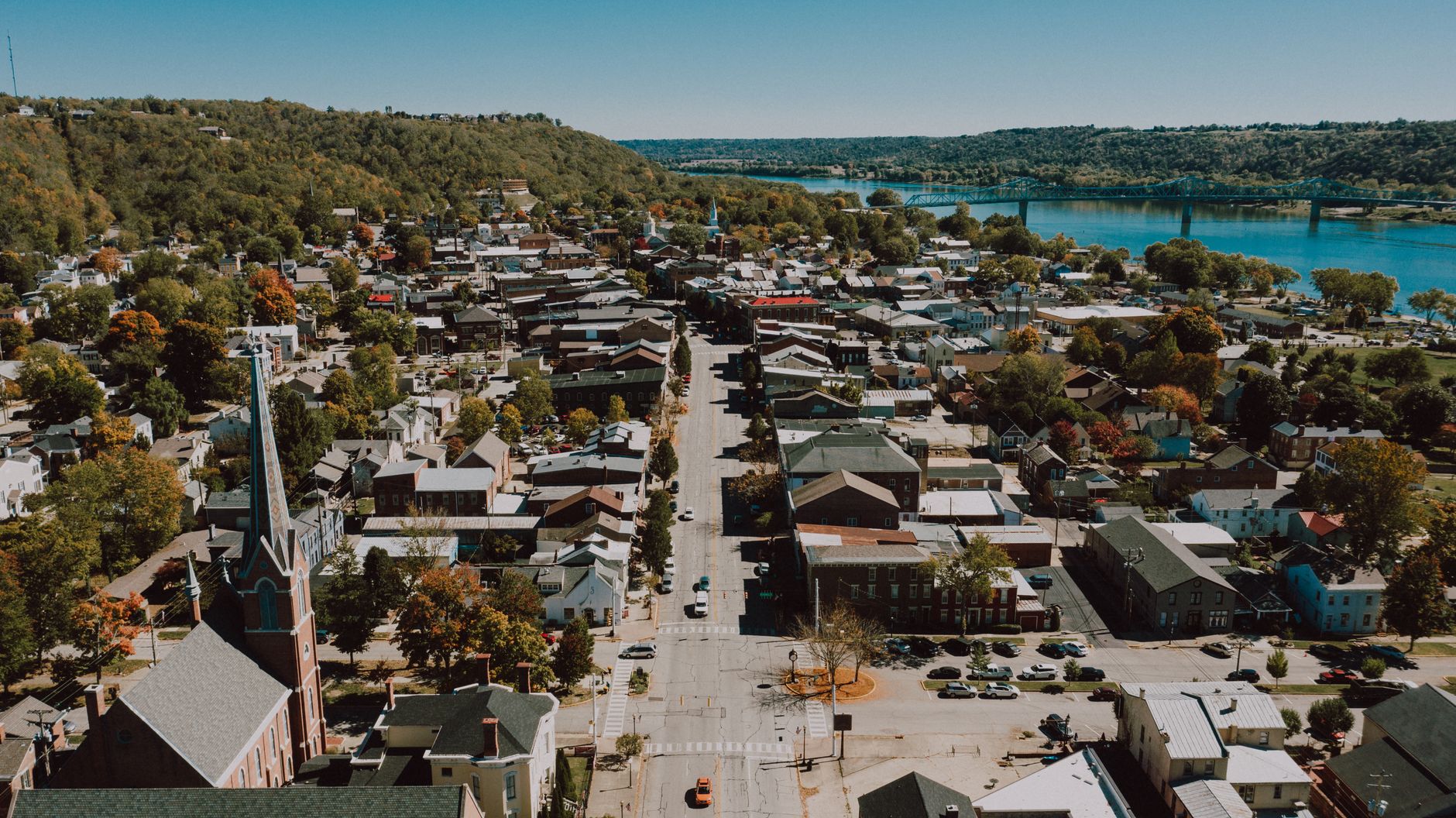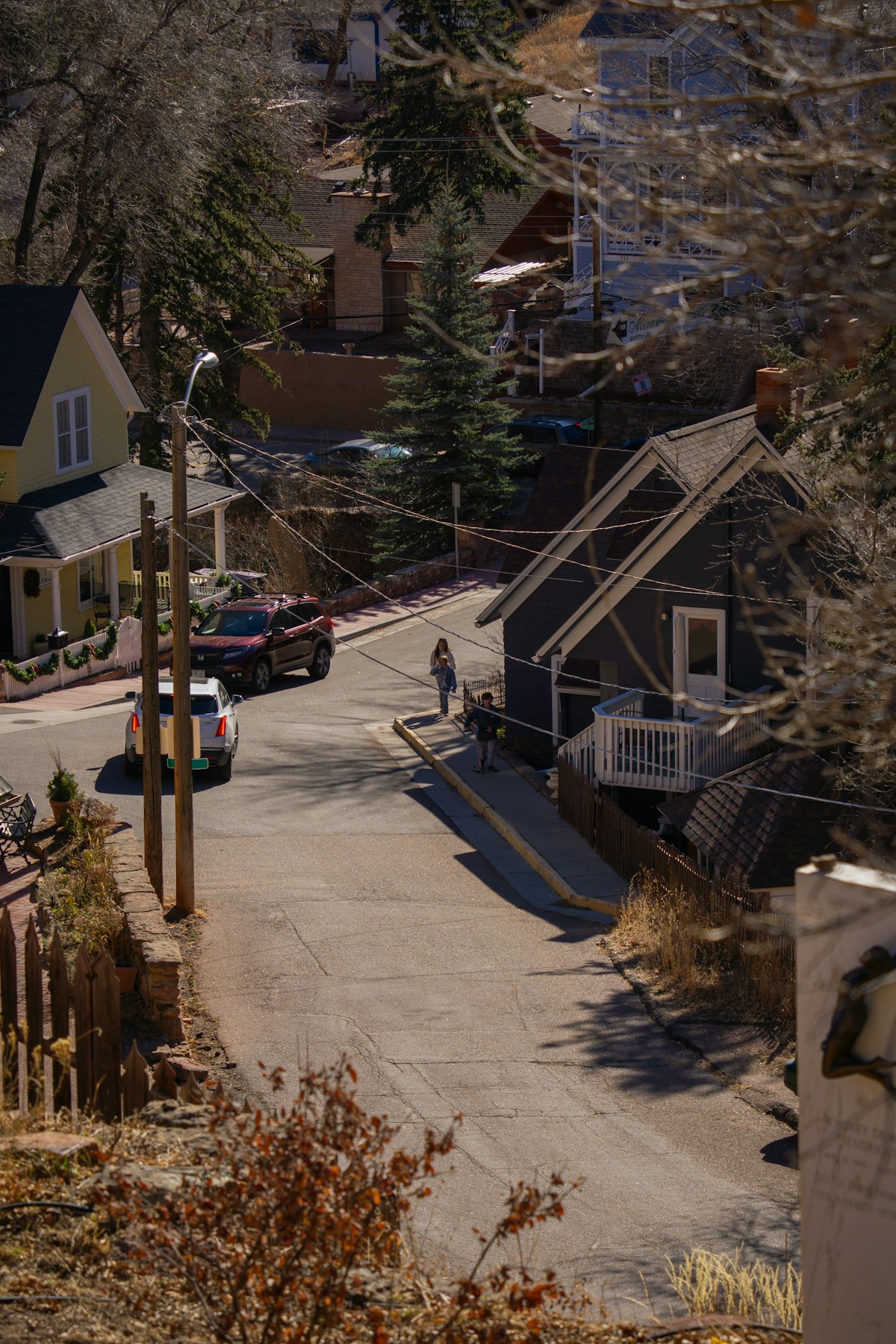
You can change your furniture. You can repaint the walls. You can even renovate the kitchen. But you cannot change the neighborhood. Whatever is outside that front door is what you're signing up for — for years, maybe decades. Getting that decision right matters more than almost anything else about where you live.
Here's what actually deserves your attention before you commit.
1. How it feels at different times of day

This is the one most people skip because it requires effort. Visit the neighborhood at least three times before you decide: once on a weekday morning, once on a weekday evening, and once on a weekend night. You will see three completely different places.
The quiet street that charmed you on a Saturday afternoon might back up with school traffic every morning at 8am. The neighborhood that felt peaceful on a Tuesday might turn into a bar crawl on Friday nights. The parking situation you thought was fine might be completely different after 7pm when everyone is home from work.
No amount of online research replaces physically being there at different times. Build this into your process before you make any decisions.
2. Walkability — and what you actually need
Walk Score gives every neighborhood a number from 0 to 100. It's a useful starting point but it doesn't tell the whole story. A neighborhood with a Walk Score of 85 might have great restaurants and coffee shops but no grocery store within reasonable distance. A neighborhood with a score of 60 might have everything you personally need within a 10-minute walk.
The right question is not "what is the walk score" but "can I walk to the things I care about." Make a list of your non-negotiables — grocery store, gym, coffee, pharmacy, park — and check each one specifically. Google Maps will tell you the walking distance. Do that walk yourself if you can.
If you have a car and rarely walk anyway, walkability matters less than parking availability, traffic patterns, and proximity to the highway you use every day. Be honest with yourself about how you actually live rather than how you imagine you might live.
3. The commute — tested in real life
This is one of the most underestimated factors in neighborhood satisfaction. Studies consistently show that commute time has an outsized negative effect on daily wellbeing — more than almost any other single factor. People adapt to a lot of things but most people never fully adapt to a long, stressful daily commute.
Do not calculate commute time based on Google Maps default estimates. Test the actual commute at the actual time you would be doing it. Drive or take transit from the neighborhood to your office on a normal weekday morning. Time it yourself. What Google says is 25 minutes can easily be 45 minutes in real traffic conditions.
Also think about the commute in the other direction — what happens if you need to leave work early, if you work late, if you travel for work frequently. How far is the neighborhood from the airport? How easy is it to get to the people you see regularly?
4. Schools — even if you don't have kids
If you have children or plan to, school quality is probably your most important filter after price. Research the specific schools assigned to the address you're considering — not the district average, the actual schools. Ratings from GreatSchools and Niche give you a starting point. Local parent Facebook groups and Reddit threads give you the real story.
If you don't have kids, schools still matter for one reason: resale value. Neighborhoods with strong schools hold their value better and appreciate more reliably over time. Buying into a school district that is improving is one of the oldest signals of a neighborhood on the rise.
5. Safety — how to read crime data honestly
Crime statistics are useful but need context. A neighborhood with a higher overall crime rate might have most of that crime concentrated in one specific area or type — property crime near a commercial strip, for example — while the residential blocks are quiet. A neighborhood with low crime stats might border a higher-crime area in ways that matter.
Look at the types of crime, not just the overall number. Violent crime and property crime tell very different stories. Check whether crime has been trending up or down over the past few years — direction matters as much as current level.
Talk to people who live there. Stand on the block in the evening and pay attention to how you feel. Data is useful but your instincts after actually being somewhere are also valid input.
6. The neighbors and the community feel
This is hard to quantify but easy to observe. Are people outside? Do they interact with each other? Are the front yards and common areas maintained? Is there a neighborhood association or active community Facebook group? Are there local businesses that feel like they've been there for years and are part of the fabric of the place?
A neighborhood with active community engagement tends to be more stable and more pleasant to live in than one where everyone stays inside and nobody knows their neighbors. This is especially true if you have kids or are planning to stay for more than a few years.
When you visit the neighborhood, try talking to someone. Ask a dog walker or a person gardening what they like and don't like about living there. Most people will tell you something honest and useful that you couldn't find anywhere online.
7. Noise — the specific kind that affects you
Noise complaints are one of the most common sources of regret among people who moved somewhere without investigating properly. The sources are almost always predictable — you just have to look for them.
Check for proximity to:
- Major roads or highways (traffic hum, especially at night)
- Train tracks or rail lines (both freight and passenger)
- Flight paths (use FlightAware to check if the neighborhood is under a flight path)
- Bars, nightclubs, or music venues
- Industrial facilities or warehouses
- Schools or sports fields (daytime and weekend noise)
- Hospitals (sirens)
Visit at night and open a window. Sit outside for 20 minutes and just listen. You will hear everything you need to hear.
8. Future development and zoning
What is the neighborhood going to look like in five years? This is knowable with a small amount of research that most buyers skip entirely.
Check the city or county planning department website for pending development applications in the area. Is a new highway being built nearby? Is there a large commercial development approved for the empty lot down the street? Is the area being upzoned for denser housing?
These things can be positives or negatives depending on your situation but they will affect your quality of life and your property value either way. Knowing about them before you buy is far better than being surprised after.
Also check FEMA flood maps for the specific address. Flood zones can change, insurance requirements can change, and a neighborhood that floods regularly is a material fact about your daily life that a listing will never volunteer.
9. Price trends — is the neighborhood moving up or down
The current price of a home tells you what the market thinks it's worth today. The price trend over the past 3 to 5 years tells you what direction the neighborhood is moving in.
A neighborhood where prices have been appreciating steadily suggests improving demand, improving amenities, and improving confidence from buyers. A neighborhood where prices have been flat or declining for several years in a non-recession period suggests something structural is working against it — population loss, employer departures, school decline, crime increases.
Neither is automatically a deal-breaker. You might intentionally buy in a flat market because you're getting value. But go in with eyes open about what the data is telling you.
10. The hidden costs specific to that location
Every neighborhood has costs that don't show up in the listing price. Some of the most common ones people discover too late:
Property taxes: Rates vary enormously even between neighboring towns. A home priced at $400k in one town might have annual property taxes of $6,000. The same priced home two miles away in a different municipality might be $12,000 a year. Check the actual tax bill for any home you're seriously considering.
HOA fees: Common in newer developments and condo buildings. Can range from $100 to $1,500+ per month. Read the HOA rules and financials carefully — an underfunded HOA reserve is a warning sign of upcoming special assessments.
Flood insurance: If the property is in a FEMA flood zone, standard homeowners insurance doesn't cover flooding. A separate flood insurance policy can add $1,000 to $3,000+ per year depending on risk level.
Car costs: A neighborhood with no walkability and poor transit means every adult in the household needs a car. Add insurance, maintenance, gas, and parking — that can easily be $6,000 to $12,000 per year per vehicle that wouldn't be necessary in a walkable area.
Utility costs: Older homes in northern climates can have dramatically higher heating bills. Homes without natural gas access often rely on oil or propane which are more expensive and more volatile in price. Ask for 12 months of utility bills from the current owner.
11. How to research a neighborhood online — a practical checklist
Before you visit in person, this is what to look up:
- Walk Score (walkscore.com) — walkability, transit, and bike scores
- GreatSchools (greatschools.org) — school ratings by address
- FEMA Flood Map (msc.fema.gov) — flood zone designation
- Crime data — SpotCrime, local police department crime maps, or city open data portals
- City planning — search "[city name] planning department" for pending development applications
- Reddit — search "moving to [neighborhood]" and "living in [neighborhood]" — the threads are candid in ways that no official source will be
- Google Street View — walk the streets virtually before you visit in person. Look at the condition of homes, sidewalks, and businesses. Use the time slider to see how the block has changed over the years.
- WYLT report — search your neighborhood at wouldyoulivethere.com for an AI-synthesized verdict that pulls together data, vibe scores, hidden costs, and an honest plain-English assessment
12. The questions worth asking yourself honestly
Before you commit to any neighborhood, answer these:
- Am I choosing this neighborhood because I genuinely want to live here or because it's what I can afford and I'm convincing myself it's fine?
- Have I visited at multiple times of day and on different days of the week?
- Do I know at least one person who lives here or has lived here who I can ask directly?
- Have I checked the flood map, the school ratings, and the crime data for this specific address?
- Do I know what the property taxes are on the actual home I'm considering?
- Am I comfortable with the commute I actually tested — not the one I estimated?
- Can I see myself living here in 5 years? In 10?
If you're hesitating on any of these, that hesitation is information. It doesn't mean don't do it. It means find out more before you decide.
The bottom line
A great neighborhood is one that fits your actual life — not an imagined version of your life. The best research combines real data with real time spent in the place itself.
Start with the data. Then go there. Then talk to people. Then decide.
Want an instant data-driven verdict on any neighborhood? Search any zip code or neighborhood name at WYLT and get a free report covering walk scores, schools, flood risk, commute times, hidden costs, and an honest plain-English verdict.